


12 Ways Landowners Are Quietly Creating Additional Income From Their Land

(Without Turning It Into a Second Full-Time Job)

Owning land has always meant opportunity. But today, more landowners are realizing something important: the land doesn’t have to work harder — it just has to work smarter.
In western Illinois and eastern Iowa, most farms and recreational properties already have the ingredients for multiple income streams. The challenge isn’t usually the land itself. It’s knowing where to look for opportunities that don’t require a second career to manage.
The best income strategies share three traits:
They build on what the land already does well
They require limited day-to-day involvement
And they create predictable income without sacrificing long-term value
Here are 12 of the most realistic and effective ways landowners are producing additional revenue, ranked in the order that tends to make the most sense for Midwestern landowners — starting with the simplest and ending with the strategy most people overlook.
1. Cash Renting Tillable Acres (The Foundation Income)
For most Midwest farms, this is still the baseline income strategy — and for good reason.
Leasing tillable ground to a local farmer creates predictable income with virtually no time investment. In many parts of Illinois, average cash rents have reached record levels, with statewide averages around $269 per acre depending on productivity. The better quality the soils, the higher the income potential. Some leases are single year, and some are 3 year leases. Some even include flex payments where a sort of 'bonus' is paid if crop prices cross a certain threshold during the lease year. If you need help figuring out what particular tillable acres could rent for, and would like to optimize the revenue your farm can generate from this source, reach out and we can assist.
For absentee owners or recreational buyers, this often covers taxes, insurance, and produces annual return with minimal risk.
Ratings
Category | Rating (1–5) |
Revenue Potential | ⭐⭐⭐⭐ |
Time Investment | ⭐ |
Capital Required | ⭐ |
Location Sensitivity | ⭐⭐ |
2. Hunting Lease Income (Low Effort, High Demand)
Western Illinois remains one of the strongest whitetail markets in the country. Quality hunting ground consistently attracts serious hunters willing to pay for exclusive access.
Typical leases range from $15–50 per acre (for all acres) annually depending on habitat quality, trail cam or trophy harvest history, and access.
For many landowners, this is the easiest second income stream to add. Liability can be easily and effectively mitigated by requiring, in the lease agreement, that the lesee purchase a liability policy with specific coverage, name the landowner as additionally insured, and provide the landowner a copy of the policy.
Ratings
Category | Rating |
Revenue Potential | ⭐⭐⭐ |
Time Investment | ⭐ |
Capital Required | ⭐ |
Location Sensitivity | ⭐⭐ |

3. Grazing or Hay Leases (Let Someone Else Do the Work)
Pasture ground or marginal tillable acres often sit underutilized. Leasing to cattle producers or hay operators converts unused acres into steady income.
This works especially well on farms where row crop production isn’t optimal, and fallow grassland acres are slowly growing up in undesirable shrubs or trees. The tenant is usually inclined to remove some of those to optimize the grazing potential and will be improving the value of the property in the process.
Ratings
Category | Rating |
Revenue Potential | ⭐⭐⭐ |
Time Investment | ⭐ |
Capital Required | ⭐ |
Location Sensitivity | ⭐⭐ |
4. CRP and Conservation Programs (Income + Land Improvement)
Programs like CRP pay landowners to convert marginal farmland into native grasses or habitat, often improving hunting and erosion control at the same time.
Payments commonly range between $170–290 per acre annually depending on soil types, slopes and contract practices. Most contracts are 10 years in length, and there are certain requirements for the land to qualify, for this federal program. But, it's a great option that can also compound the hunting lease income value potential, because it makes much better wildlife habitat.
This is especially effective for unproductive or highly erodible tillable ground.
Ratings
Category | Rating |
Revenue Potential | ⭐⭐⭐ |
Time Investment | ⭐ |
Capital Required | ⭐ |
Location Sensitivity | ⭐⭐ |

5. Timber Management and Select Harvesting (Long-Term Paydays)
Timber isn’t annual income — it’s periodic income. But when managed properly, it can create significant returns every 10 years or so while improving forest health.
Selective harvests can generate thousands per acre depending on species and maturity.
Many landowners already own valuable timber and don’t realize it. In fact, there is almost no other asset class where the folks who own the majority of it are less knowledgable about it, than standing timber. That's why it's a great idea to use a trustworthy expert to help guide you down this path, before you just have loggers come in and have at it.
Ratings
Category | Rating |
Revenue Potential | ⭐⭐⭐⭐ |
Time Investment | ⭐ |
Capital Required | ⭐⭐ |
Location Sensitivity | ⭐⭐ |
6. Solar Energy Leasing (The Most Passive High-Dollar Option)
Where transmission lines, substations, and utility demand exist, solar leases have become one of the highest passive income opportunities available to landowners.
Long-term agreements are often 20-30 years and pay $400–$2,000 per acre annually with little or no investment required from the owner. They can be very lucrative.
The catch? Location and infrastructure access matter heavily. It's unsightly to look at in many folks' opinion, and you need to be very careful about the company you work with and the lease language to make sure they are responsible for site cleanup and reclamation at the end.
Ratings
Category | Rating |
Revenue Potential | ⭐⭐⭐⭐⭐ |
Time Investment | ⭐ |
Capital Required | ⭐ |
Location Sensitivity | ⭐⭐⭐⭐⭐ |
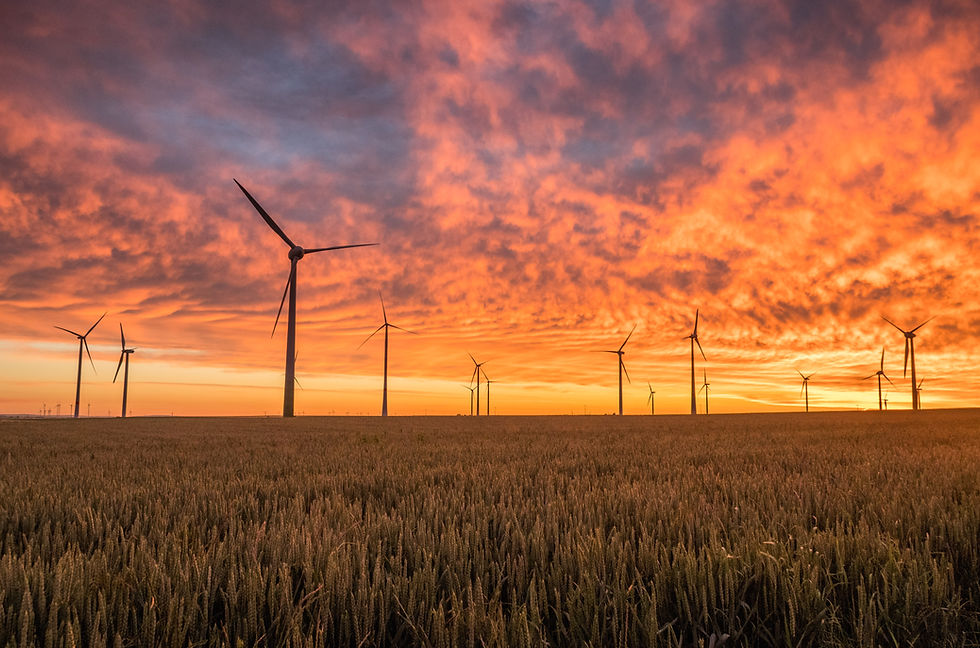
7. Wind Turbine Leases (Small Footprint, Long Contracts)
In areas with adequate wind resources, each turbine can produce tens of thousands in annual income while occupying very little ground. Farming and hunting typically continue normally around the installation. These leases typically provide an initial sign-up bonus, and they also have to pay a lease amount for any underground electrical that crosses your property, and any roads the company has to install and maintain to get to and operate the system. They don't just put up turbines anywhere, however. Your land has to be in amongst the area of a proposed wind farm project, so research and due diligence in the search and buying phase is critical to making this option a possibility for you, if you want it.
Ratings
Category | Rating |
Revenue Potential | ⭐⭐⭐⭐ |
Time Investment | ⭐ |
Capital Required | ⭐ |
Location Sensitivity | ⭐⭐⭐⭐⭐ |
8. Infrastructure Leases (Cell Towers, Utilities, Easements)
This doesn’t apply to every property, but when it does, it can be extremely valuable.
Cell towers, pipeline easements, or utility infrastructure can produce substantial income with almost no involvement once installed. Some leases reach tens of thousands annually depending on location. This is where it pays to work with land professionals that really have a pulse on future development plans, to help foresee where there may be greater potential for this type of revenue source.
Ratings
Category | Rating |
Revenue Potential | ⭐⭐⭐⭐⭐ |
Time Investment | ⭐ |
Capital Required | ⭐ |
Location Sensitivity | ⭐⭐⭐⭐⭐ |
9. Beekeeping or Pollinator Agreements (Small Acreage Opportunity)
Landowners don’t need to become beekeepers themselves. Many simply lease space to local operators or "apiaries" as they are called. Most beekeepers don't own the land where they keep hives, or where their bees are collecting nectar. But it's a valuable part of their business to have access to prime areas for their hives to be successful and highly productive.
This creates small but steady income while improving crop pollination and habitat quality.
Ratings
Category | Rating |
Revenue Potential | ⭐⭐ |
Time Investment | ⭐ |
Capital Required | ⭐ |
Location Sensitivity | ⭐⭐ |
10. Cabin or Short-Term Rental (Semi-Passive Recreation Income)
For recreational properties within 1–2 hours of population centers like the Quad Cities, Peoria, or Iowa City, small cabins or hunting lodges can create strong seasonal income. VRBO and AirBnB are both common options for property owners to easily source short-term rental customers, but with a little more hands-on effort, you can create your own website for booking, create a social media presence and make your place a desirable and talked-about destination. This requires more management but can dramatically increase return perhttps://youtu.be/bOpP_dRsNqM acre. Check out episode #18 of the Land Your Ground podcast we did on this topic with the owner of BunkieLife - a premium manufacturer of DIY build cabin kits! How to Make Land AFFORDABLE with Airbnb - BunkieLife
Ratings
Category | Rating |
Revenue Potential | ⭐⭐⭐⭐ |
Time Investment | ⭐⭐⭐ |
Capital Required | ⭐⭐⭐ |
Location Sensitivity | ⭐⭐⭐⭐ |

11. Agritourism or Event Use (High Revenue, Higher Effort)
Weddings, farm stays, or seasonal events can produce significant income — but this is rarely passive. If you live on the property, or have a full-time property manager, you can capitalize on this revenue source and make your land investment create an ROI that rivals most any other business model.
This works best near metro populations or scenic properties with existing buildings and exceptional aesthetics.
Ratings
Category | Rating |
Revenue Potential | ⭐⭐⭐⭐⭐ |
Time Investment | ⭐⭐⭐⭐⭐ |
Capital Required | ⭐⭐⭐⭐ |
Location Sensitivity | ⭐⭐⭐⭐ |
12. The Most Overlooked Strategy: Stacking Income Streams

Here’s the insight experienced landowners eventually discover:
The highest-performing properties rarely rely on just one income source.
Instead, they stack compatible uses:
Tillable acres paying cash rent
Timber improving habitat and future income
Hunting lease income on the same acres
CRP improving wildlife and reducing erosion
Maybe a solar lease on marginal ground
One property. Multiple checks.
The goal isn’t squeezing every dollar out of the land. It’s allowing different parts of the farm to do what they’re naturally best suited for.
And when that happens, income increases while management actually becomes simpler.
Final Thought
The best land investments in western Illinois and eastern Iowa aren’t always the ones producing the most income today.
They’re the ones with multiple ways to produce income tomorrow — without sacrificing what made the land valuable in the first place.
Because good land doesn’t just grow crops.
It grows options. And it grows wealth.


Comments